There is one remarkable connection between human beings and almost every living creature in the universe: the instinct to return.
No matter how we spend our day—whether working, wandering aimlessly, meeting people, chasing ambitions, or simply passing time—there is always a certain moment when we feel the need to return. Sometimes we return by choice, sometimes by responsibility, and sometimes simply because something within us tells us that we belong somewhere.
We call that place by many names: home, shelter, dwelling, space, room, or simply our own place. But beyond its physical form, home is something much deeper. The moment we enter it, we experience a peculiar kind of peace—a peace of the mind, the body, and perhaps even the soul.
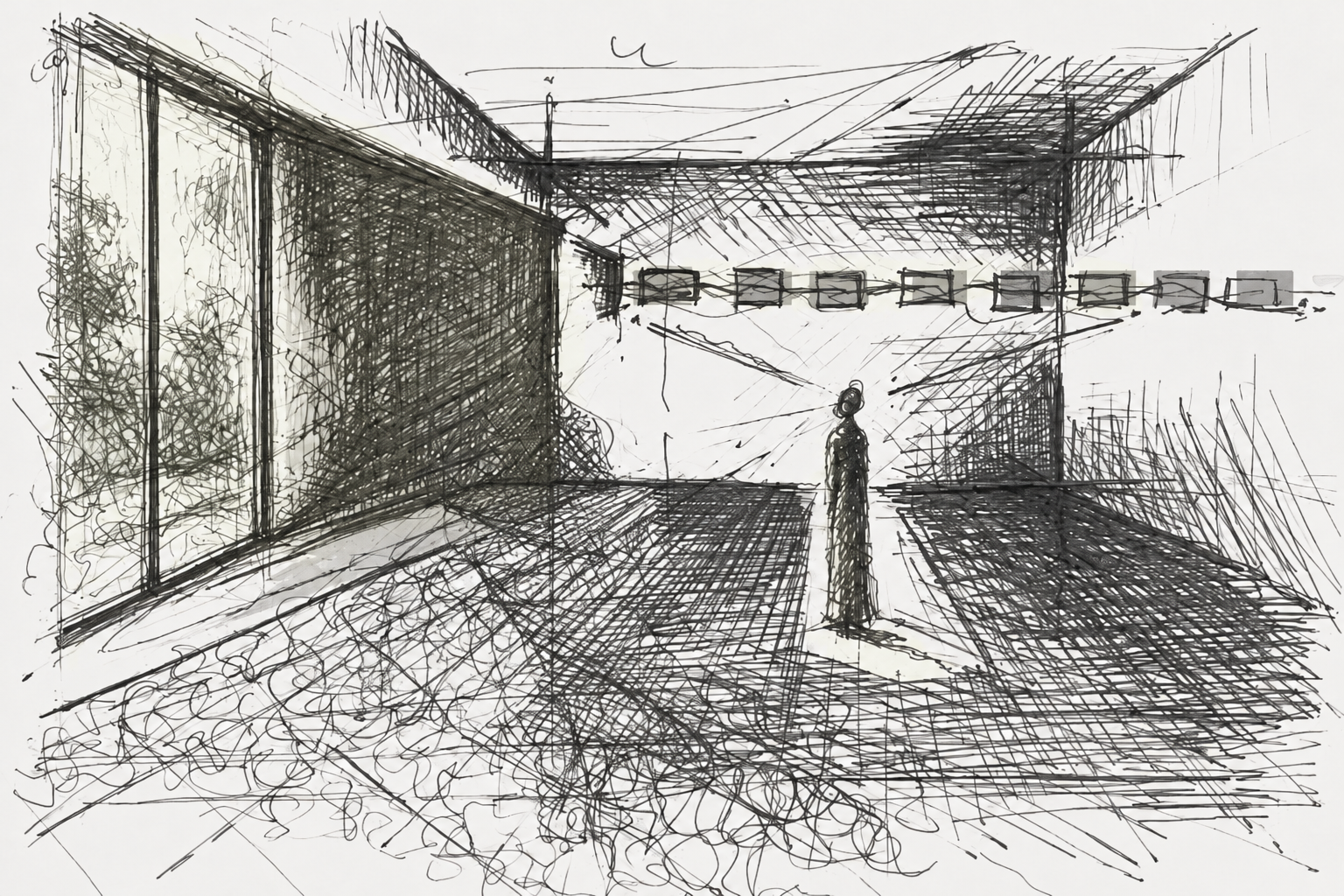
After carrying the exhaustion of an entire day, placing our body on the bed can feel almost like entering a private paradise. Lying there, looking through the window at the sky, trees, rain, or the changing light of nature, we slowly enter our own world. We think about what we want, what we should do, where we are going, and what we have left behind. Memories of happiness and moments of sadness return. Dreams begin to take shape. For a while, we become the inhabitants of a world that belongs entirely to us.
Perhaps the psychology of living beings is one of the most mysterious things in existence. Almost every creature seeks freedom—an open sky, an unrestricted landscape, the ability to move without boundaries. Yet, despite having the opportunity to wander freely, they eventually create or claim a particular territory for themselves. They build nests, burrows, dens, or shelters; in doing so, they create a defined space where they can belong.
I remember looking at trees as a child. At the end of the day, birds would gather together and return to their nests. Whenever a storm approached, they would rush back to wherever they felt protected. It made me wonder: why do living beings always return to a particular place?
Perhaps because a place becomes more than a place when it begins to hold our existence.
Long before humans understood architecture as a discipline, we chose caves as our homes. The cave protected us from storms, rain, heat, cold, wild animals, and the unknown dangers of nature. It was one of humanity’s earliest forms of architecture—not merely a structure, but a refuge.
Even after death, many cultures and religions continue this idea of dwelling. We create graves, tombs, and chambers beneath the earth, almost as if the human desire for a place to belong continues beyond life itself.
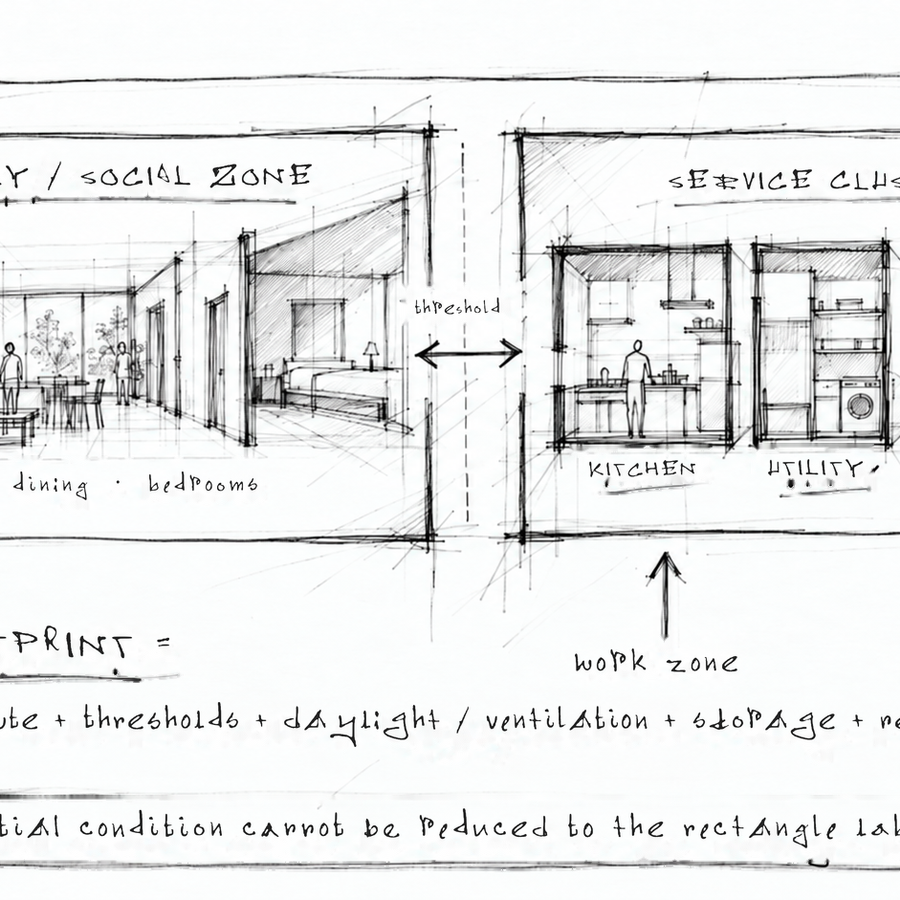
This makes me believe that architecture exists everywhere in nature and in human existence. A space is never simply four walls and a roof.
A space can be a place where we dream.
A place where we return after completing the day’s work.
A place where exhaustion slowly disappears.
A place where we breathe deeply and find peace.
A place where love begins, where we share intimacy, laughter, arguments, forgiveness, and countless ordinary moments with the people we love.
A place that protects us from the storms of nature and, sometimes, from the storms within ourselves.
Therefore, home is not merely a material structure.
It is a shelter, a memory, a refuge, a dream, a place of belonging, and an emotional center.
It is the invisible point that keeps us connected to ourselves.
We may travel far away.
We may wander through countless places.
We may spend our lives chasing dreams and searching for something beyond ourselves.
But somewhere within us, there is always a direction pointing back.
Home is that direction.
Because wherever we go, whatever we become, and whatever we spend our lives searching for—there is always a place to which we must return.